
-
×
 Acetyl Hexapeptide-8 Powder — 1 g
3 × $89.99
Acetyl Hexapeptide-8 Powder — 1 g
3 × $89.99
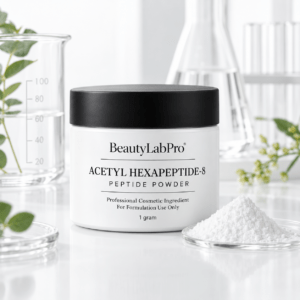 Acetyl Hexapeptide-8 Powder — 1 g
 Formulation Guides
Neurocosmetics in 2026: What the Skin–Mind Conversation Means for Cosmetic Formulators
24
Sep
Sep
Why neurocosmetics is entering the formulation conversation
Beauty trends increasingly sit at the intersection of sensory experience, skin appearance and wellness language. Neurocosmetics is one example. The term is being used around formulas designed to create a more intentional sensory experience while supporting cosmetic goals such as comfort, hydration, barrier-focused care and a pleasant application ritual.
For formulators, the useful question is not whether a product can change the mind. That framing quickly moves beyond responsible cosmetic communication. The better question is how texture, fragrance, cooling or warming perception, application behavior and well-chosen cosmetic actives can work together in a product people enjoy using consistently.
What neurocosmetics does and does not mean
A cosmetic formula can be designed around sensory cues and appearance-focused benefits. It should not be presented as treating anxiety, depression, neurological disease or other medical conditions. Claims still need to remain cosmetic and supported by evidence for the exact ingredient and finished formula.
This discipline also applies to skin longevity formulation and postbiotics and ferments: an exciting concept is not a substitute for formulation data.
Four formulation layers worth evaluating
Sensory architecture
Slip, cushion, after-feel, absorption profile and fragrance can strongly influence how a formula is perceived. A sophisticated active system can still disappoint if the product is sticky or pills. See our sticky-serum troubleshooting guide and serum pilling guide.
Barrier and hydration context
Comfort-focused positioning often overlaps with hydration and barrier language. Distinguish water-binding strategy from broader barrier-focused design. See Barrier Repair vs Hydration and Glycerin vs Hyaluronic Acid.
Active selection
Peptides, humectants and botanical materials should be selected for a defined cosmetic job, not because they sound futuristic. When working with peptides, compare the exact INCI, format and supplier documentation. The single peptide vs multi-peptide guide is a useful starting point.
Finished-formula evidence
Raw-material marketing is not finished-product proof. Stability, packaging, preservation, sensory testing and claim substantiation still matter. Grade-specific use level, pH, temperature, solubility and compatibility should always come from the exact supplier or batch TDS/COA rather than a generic internet rule.
What formulators should take from the trend
Neurocosmetics is most useful as a design lens: build a formula that is technically coherent, sensorially intentional and responsibly communicated. It should not become another excuse to stack fashionable actives into an overloaded serum.
BeautyLabPro’s professional cosmetic ingredient catalog can support ingredient discovery, but the final system should always be built around the target format and verified documentation, not trend language alone.
FAQ
Is neurocosmetics a medical category?
No. In a cosmetic context, claims should remain focused on cosmetic appearance, sensory experience and other supportable cosmetic benefits.
Do neurocosmetic formulas require a specific ingredient?
No single ingredient defines the concept. Evaluate the complete formula, sensory profile, claims and evidence.
Can peptides be used in a neurocosmetic concept?
Potentially, when they fit the intended cosmetic function. Verify the exact grade documentation and avoid extrapolating claims from unrelated materials.