
Product Development Guides
Why a Cosmetic Serum Foams or Traps Bubbles: A Product Developer’s Troubleshooting Guide
Sep
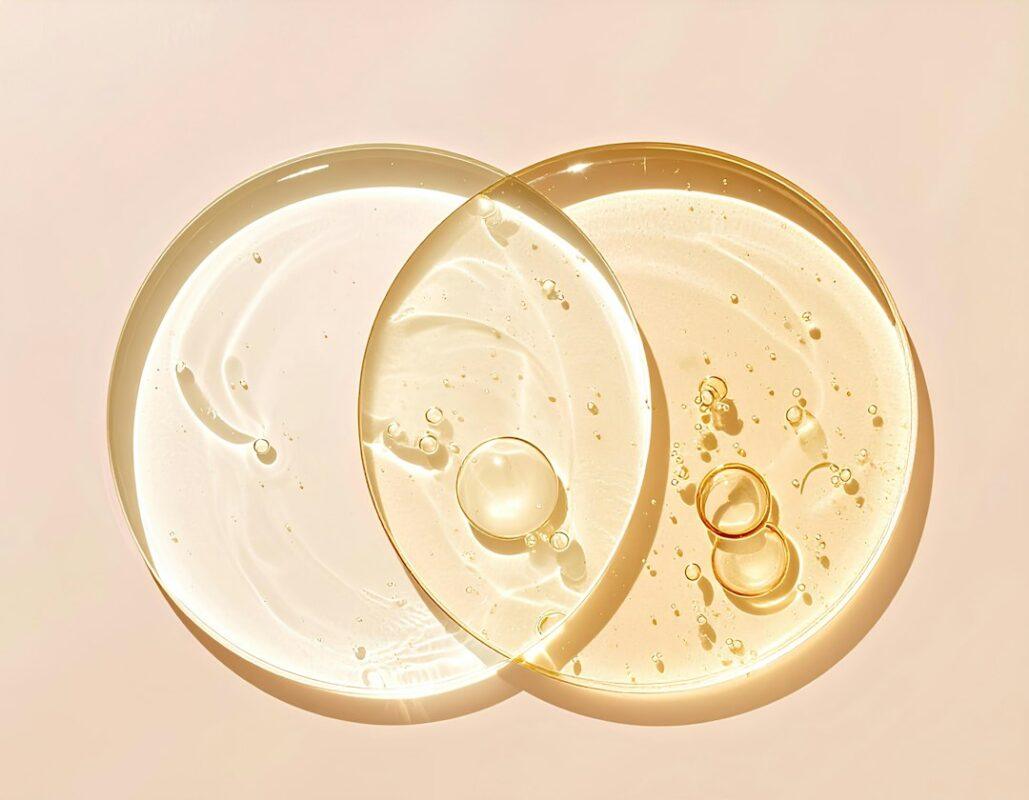
Why a serum foams or traps bubbles is a common question. A clear serum can look perfect in the beaker and disappointing in the bottle if it carries a cap of foam or hundreds of suspended microbubbles. The instinct is often to blame the active ingredient, but aeration is usually a process-and-system problem that deserves investigation before you change the recipe.
Short answer: Foam and trapped microbubbles in a serum are usually a process-and-system problem, not a fault of the active. Mixing speed, viscosity, surface-active raw materials and transfer or filling can all add air. Check the batch after mixing, after rest, after transfer and after filling.
Foam, trapped air and instability are not the same thing
Visible bubbles do not automatically mean a serum is chemically unstable. Air can be introduced during mixing, transfer or filling and then remain suspended when the liquid is viscous enough to slow its escape. By contrast, ongoing gas formation, odor change, package swelling or other abnormal changes require a different investigation and should not be dismissed as ordinary aeration.
If the batch is also cloudy, stringy or separating, start with the broader multi-active serum troubleshooting guide.
Common reasons serum traps bubbles
Mixing pulls air into the batch
High surface disturbance can entrain air. The exact mixing method depends on batch size, vessel geometry, viscosity and equipment, so there is no universal speed or time that is safe to prescribe without process data.
Viscosity keeps air from escaping quickly
Polymers and humectant-rich systems can hold bubbles long enough to make the finished product look foamy even after active mixing stops. Hyaluronic-acid systems are a familiar example where supplied grade and molecular characteristics influence rheology. See the HA molecular-weight guide for the underlying distinction.
BeautyLabPro also carries a Hyaluronic Acid Gel cosmetic ingredient; its exact supplier/batch documentation should govern product decisions rather than generic HA advice.
Raw materials can bring their own carrier system
Solutions, botanical extracts and other supplied blends may contain carriers or supporting components that affect surface behavior. This is another reason to read the exact TDS/COA instead of handling an ingredient name as a complete formula description.
Filling can reintroduce air
A batch that deaerates in the vessel can still acquire bubbles during transfer or packaging. Investigate the process chronologically: after mixing, after rest, after transfer and after filling.
A troubleshooting sequence that avoids guesswork
Step 1: observe when the bubbles appear
If foam appears only during high-shear or vigorous mixing and gradually clears, the investigation is different from a product that develops gas after packaging.
Step 2: compare appearance with texture
A tacky or overly elastic serum can make aeration more persistent. The sticky-serum troubleshooting guide covers the sensory side of that problem.
Step 3: isolate process from composition
Before deleting an active, compare controlled small batches where the process is changed deliberately. Avoid changing multiple variables at once; otherwise the cause becomes harder to identify.
Step 4: inspect the exact raw-material documentation
Check the supplied form, carrier, handling instructions and other grade-specific requirements. Never invent a use level, temperature, pH target or compatibility rule from a generic online recipe.
Step 5: evaluate packaging and dispensing
Some pumps and filling approaches make aeration more visible than others. Packaging is part of the product system, not an afterthought.
Do bubbles cause pilling?
Not necessarily. Pilling is a different failure mode involving films, polymers, application amount and interactions between layered products. If the complaint appears only when the serum is worn under another product, use the serum pilling guide instead.
Barrier and hydration formulas can still have process problems
A well-chosen ingredient story does not guarantee elegant manufacturing behavior. Hydration and barrier support also describe different product jobs, as explained in Barrier Support vs Hydration. Process quality determines whether those ingredients arrive in a product consumers actually enjoy using.
Related cosmetic raw materials from BeautyLabPro: Oleo-HA Oil-Dispersed Hyaluronic Acid, 10 ml-16 fl oz and Complex of vitamins B5 PP C and hyaluronic acid. Browse the full Hyaluronic Acid collection.
Related guides: Why a Cosmetic Serum Gets Thinner or Thicker Over Time: A Viscosity Troubleshooting Guide.
FAQ
Are bubbles in a fresh serum always a safety problem?
No. Ordinary entrained air can be cosmetic, but unexplained gas generation or other abnormal changes should be investigated rather than assumed harmless.
Should I add an antifoam ingredient?
Do not jump to an additive before identifying the cause. Any additional raw material must fit the intended cosmetic system and its documentation.
Can hyaluronic acid trap bubbles?
Viscous polymer systems can slow air release, but behavior depends on the exact grade and complete product.
For product sourcing, BeautyLabPro provides raw cosmetic ingredients for professional product work. Always confirm grade-specific handling against the exact supplier and batch TDS/COA.