
Product Development Guides
Oily Scalp, Flat-Looking Hair: Formulating a Fresh Scalp Tonic
Nov
Why oily scalp is one of the loudest hair complaints right now
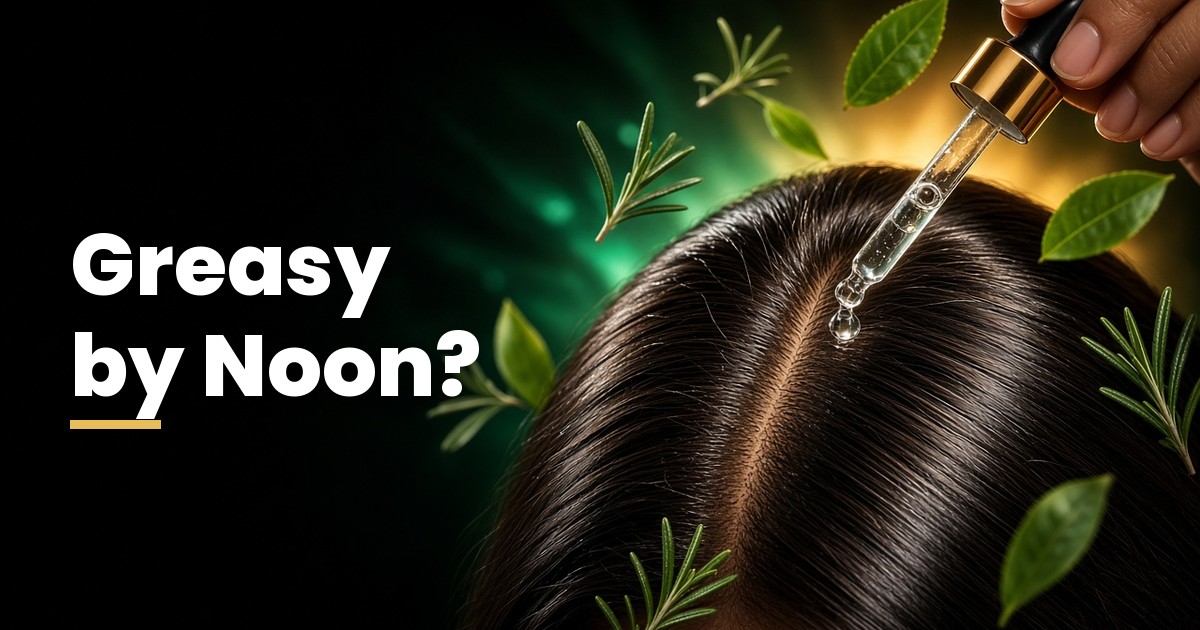
Daily workouts, dry shampoo, heavy styling products and the skinification of hair care have pushed the scalp into the spotlight. Stylists and estheticians hear the same frustration from clients of every age: hair looks fresh in the morning, then the roots turn flat, shiny and heavy by midday, and washing more often only seems to make the cycle worse. People search for oily scalp tonic, scalp serum for greasy roots and how to make hair look less oily, and they ask AI assistants for routines that keep roots fresh between washes. For an indie hair brand, a salon line or a skin care company stepping into hair, a lightweight leave-on scalp tonic is one of the easiest products to launch, because it is clear, water-based and simple to explain.
This guide shows how to plan a fresh scalp tonic with botanical and biotech actives, how to keep the base light enough for oily roots, and how to write claims that stay cosmetic.
What clients mean by an oily scalp
In cosmetic terms the concern is about how hair and scalp look and feel: roots that look greasy soon after washing, strands that cling together and lose volume, a heavy or itchy-feeling scalp under buildup, and a cosmetic routine that never feels clean for long. It is not a diagnosis. A tonic should never promise to treat a scalp condition or regrow hair, and anyone with persistent redness, flaking that does not respond to normal care or sudden hair shedding should be pointed to a professional.
That framing turns into three clear formula goals. Help the scalp look and feel fresh and less shiny, support the look of fuller, more airy roots, and keep the base so light that the tonic never adds weight of its own. The last point is easy to miss: a scalp product with rich oils, film formers or a sticky humectant load works against its own promise.
Choosing the scalp actives
Tea tree without the essential-oil bite
Tea tree is the botanical clients already link with oily skin and a clean-feeling scalp, but the essential oil can be harsh, strongly scented and tricky to solubilize. Tea Tree Exosome Solution carries Melaleuca vesicles in a water-based liquid, so you get the tea tree name on the label without the oil. The product page lists 0.5 to 3% for toners, essences and scalp care, and it should go into the water phase during cool-down below 40°C with gentle stirring rather than high-shear mixing.
Rosemary, the social-media scalp favorite
Rosemary has become the headline botanical of scalp routines, and shoppers look for it by name. Rosemary Leaf Glycerin Extract mixes clear into water, carries no strong fragrance load and gives the tonic an antioxidant story. The supplier lists a use level of 1 to 10% and heat stability up to 70°C, which makes processing flexible. Because it is a glycerite, watch the total glycerin in your formula so the tonic does not feel tacky on oily roots.
A biotech complex for fuller-looking roots
Botanicals sell the freshness story, while a targeted complex supports the volume story. Larch and Green Tea Scalp Complex BLP combines larch wood and green tea glucosides with glycine and zinc and is described by the supplier as a non-hormonal active for products that support fuller, healthier-looking hair. It goes into the water phase cold or below 50°C at 1 to 3%, and it is stable in finished products at pH 2.0 to 5.0, so plan the final pH of the whole tonic around that window.
Building a light, clear base
Most scalp tonics are clear watery liquids or very thin gels delivered through a spray or a dropper with a nozzle that reaches the roots. Water, a modest humectant level, a soluble cooling or fresh sensory element if your concept needs one and a preservative system suited to leave-on hair products are usually enough. Skip heavy oils and silicones, and if you add fragrance keep it light, because the tonic sits directly on the scalp all day. When combining actives, check that their listed pH and temperature ranges overlap, and take every number from the documentation for the lot you buy rather than from a generic recipe.
A tonic is also a natural anchor for a small scalp range. The same active core can move into a clarifying shampoo and a lightweight conditioner for the lengths, which keeps the story consistent and raises the order value. For more ideas, browse the lash and scalp ingredients section and match each material to your concept and price point.
Testing freshness, not just stability
Run the usual stability checks at room temperature, warmth and cold, and watch for haze, sediment, color drift and odor changes, especially in clear packaging. Then test the experience on real heads. Ask panelists with oily-feeling roots how long hair looks fresh with and without the tonic, whether roots look fuller, how the scalp feels after application and whether the product leaves any tack or residue once dry. Spray pattern matters too: a fine mist that reaches the scalp through the hair is worth more than a perfect ingredient list in a bottle that wets the lengths. A two to three week in-use period between normal washes gives the most useful feedback.
Honest claims that still sell
Keep the language cosmetic and sensory: roots look fresher for longer, hair looks fuller and more airy, the scalp feels clean, balanced and refreshed, the formula is light and leaves no residue. Avoid words such as treats dandruff, stops hair loss, regrows hair, cures or anti-fungal, and do not name scalp conditions. A short usage note helps clients succeed, for example applying to a clean scalp, massaging gently and avoiding the eyes.
FAQ
What is a scalp tonic?
It is a light, usually clear leave-on product applied directly to the scalp between washes. It is designed to help roots look fresh and the scalp feel clean and balanced, and it often carries botanical and biotech actives for a fuller-looking finish.
Can tea tree, rosemary and a scalp complex go into one tonic?
Yes, all three are water-compatible and suit clear scalp products. Add each one according to the temperature limit on its product page and make sure the final pH of the tonic sits inside the ranges their documentation lists.
Why use tea tree vesicles instead of tea tree oil?
The vesicle solution is water-soluble, so there is no solubilizer step, and it avoids the strong scent and harshness that high doses of the essential oil can bring to a leave-on scalp product.
Where do I find use levels for these ingredients?
Use the product page, the technical data sheet and the certificate of analysis for the batch you buy. Validate every level in your own base and run stability and in-use tests before scaling up.