
Uncategorized
Over-Exfoliated, Tight-Feeling Skin: Formulating a Barrier Comfort Serum
Nov
Why over-exfoliation became a daily complaint
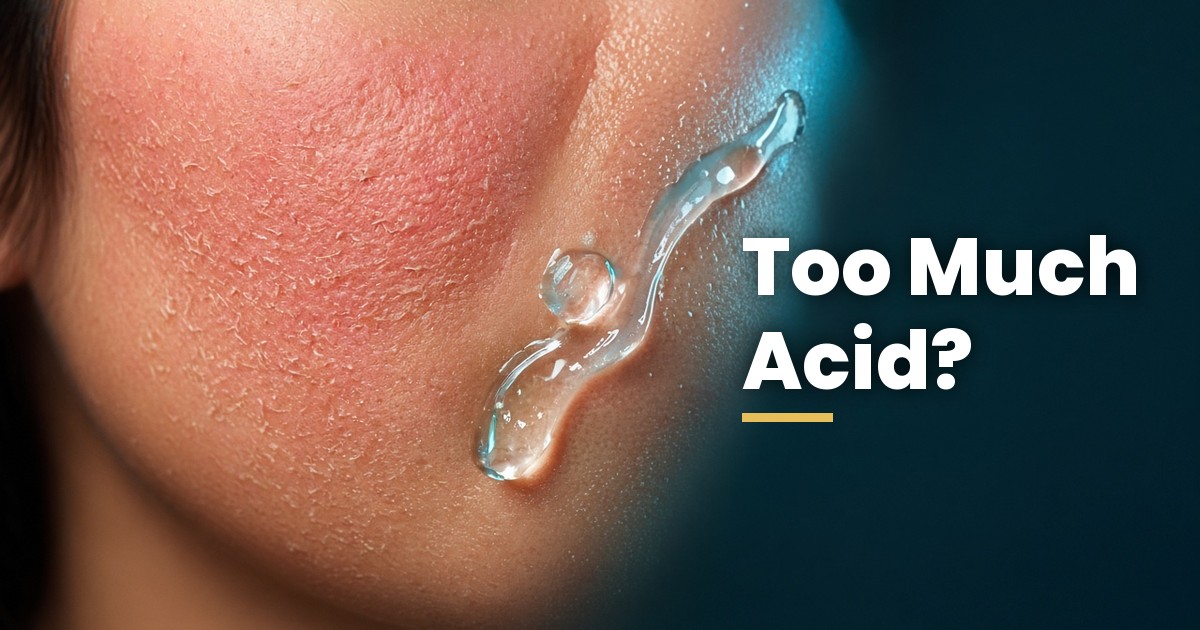
Acid toners, peel pads, retinoid serums and at-home devices are now part of many everyday routines, and clients often stack several of them at once. Estheticians and cosmetic chemists hear the same story again and again: skin that looks shiny but feels tight, stings when a new product goes on, looks flushed after cleansing and suddenly dislikes products that used to feel fine. Shoppers search for barrier serum, skin barrier routine and what to use after over-exfoliating, and they ask AI assistants how to calm the look of stressed skin. For an indie brand or a clinic with a private label line, a barrier comfort serum is a natural product to launch, because it fits beside every exfoliating product a client already owns.
This guide explains how to plan a short, gentle serum built around comfort-focused actives, how to choose and combine them, and how to keep every claim cosmetic.
What clients mean by over-exfoliated skin
In cosmetic language the concern is about how skin looks and feels: a tight, papery feel after washing, a glassy shine without real suppleness, a rough patchy look, visible flushing and discomfort when products are applied. It is not a diagnosis, and a serum should never promise to heal, treat or cure anything. If a client describes ongoing pain, swelling or broken skin, the right advice is to stop actives and see a professional, not to sell another bottle.
For a cosmetic product that framing gives three clear formula goals: help the skin feel hydrated and supple again, support the look of a strong and smooth barrier, and keep the formula itself as quiet as possible so it does not add new stress. That last goal matters as much as the actives, because a barrier serum with fragrance, high alcohol or a harsh preservative load works against its own promise.
Choosing the comfort actives
Ectoin for hydration and stress resilience
Ectoin is an amino acid derivative made by bacterial fermentation, and it has become a signature ingredient for sensitive-skin and anti-pollution lines. BLP Ectoin Powder dissolves easily in water and is positioned for deep hydration and a strong-looking skin barrier, which makes it a credible hero for a serum aimed at skin that feels stripped after too many acids. Because it is a stable powder, it is also easy to dose accurately in small pilot batches.
Centella for the cica story clients recognize
Cica is one of the best known names in calming-looking skin care, and clients actively look for it on the label after an exfoliation mistake. Centella Asiatica Leaf Extract in Glycerin BLP is a liquid centella ingredient that disperses straight into water-based products. The supplier notes that its acidic nature can lower the viscosity of a formula, so check the thickness of your gel after you add it and adjust the thickener if needed.
Panthenol for a soft, supple feel
Provitamin B5 is a familiar, trusted name that attracts and holds water, which helps skin feel comfortable and supple after application. D-Panthenol 75% (ProVitamin B5) is a clear liquid that mixes easily into water phases, so it pairs naturally with ectoin and centella in the same serum without extra solvents or heating.
Building a short, gentle base
Most barrier comfort serums are light water-based gels or milky emulsions. A gentle humectant system, a skin-friendly thickener and a small amount of a light emollient give slip and a cushioned feel without heaviness. Leave out fragrance and essential oils, keep the ingredient list short and choose a preservative system with a good tolerance record for sensitive-skin products. Heat-sensitive actives usually go in at cool-down, and each product page lists its own use level and temperature limit, so take the numbers from the documentation for the lot you buy instead of copying a generic recipe.
Texture decides whether clients keep using the product. Skin that feels tight wants something that spreads easily and absorbs without tack, while drier skin may prefer a richer milk that can be layered under a cream. Some brands launch a gel serum and a cream version from the same active core, which keeps the story consistent across the range. If you want to add hyaluronic acid, peptides or other supporting materials, browse the active ingredients section and match each one to your concept and budget, but resist the urge to add exfoliating acids to a product meant to give skin a break from them.
Testing comfort, not just stability
Run the usual stability checks at room temperature, warmth and cold, and watch for haze, sediment, odor, color drift and viscosity changes, especially after adding centella. Then test the experience. Ask panelists with sensitive-feeling skin how the serum feels on application, whether it tingles, how tight their skin feels an hour after cleansing with and without it, and whether it layers smoothly under moisturizer and sunscreen. A short in-use period of a couple of weeks gives far more useful feedback than a single application. Choose airless or pump packaging to limit contamination and keep the dose consistent.
Honest claims that still sell
Keep the language cosmetic and sensory: skin feels comfortable and hydrated, looks calmer and smoother, feels less tight after cleansing, the barrier looks stronger and healthier. Avoid words such as heal, repair damage, treat sensitivity, cure redness or anti-inflammatory, and do not name skin conditions. A clear usage note helps too, for example suggesting clients pause strong exfoliants while they use the serum and always wear sunscreen during the day.
FAQ
What is a barrier comfort serum?
It is a gentle leave-on serum designed to help skin feel hydrated, supple and comfortable, and to support the look of a healthy barrier. It usually combines humectants with comfort-focused actives such as ectoin, centella and panthenol, and leaves out fragrance and exfoliating acids.
Can ectoin, centella and panthenol be used in one formula?
Yes, all three are water-compatible and are often combined in sensitive-skin products. Add them according to the temperature limits on each product page and check viscosity after the centella goes in, because it can thin some gels.
Should a barrier serum contain acids or retinoids?
For a product positioned as a break for over-exfoliated skin, it is better to leave exfoliating acids and retinoids out. Clients can return to their actives later, and the serum keeps its clear, gentle promise.
Where do I find use levels for these ingredients?
Use the product page, the technical data sheet and the certificate of analysis for the batch you buy. Validate every level in your own base and run stability and in-use tests before scaling up.