Product Development Guides
Bakuchiol vs Retinal: How to Choose a Retinol Alternative for Your Serum
Nov
Why retinol alternatives are one of the biggest briefs of the year
Retinol is still the most famous name in anti-aging skin care, but estheticians hear the same story again and again: clients want smoother, fresher-looking skin, yet they find classic retinol products too harsh for how their skin looks and feels. Redness-prone, dry and easily irritated-looking skin types, plus everyone who wants a gentle product for daytime, are now searching for a retinol alternative serum. Two names come up in almost every brief: bakuchiol, a plant-derived ingredient, and retinal, also called retinaldehyde, a vitamin A derivative.
For a brand, the choice between bakuchiol and retinal shapes the whole product: the base, the routine you recommend, the packaging and the claims. This guide compares both from the formulator’s bench and from the treatment room, so you can decide which one fits your customer, or whether a line needs both.
What bakuchiol and retinal are
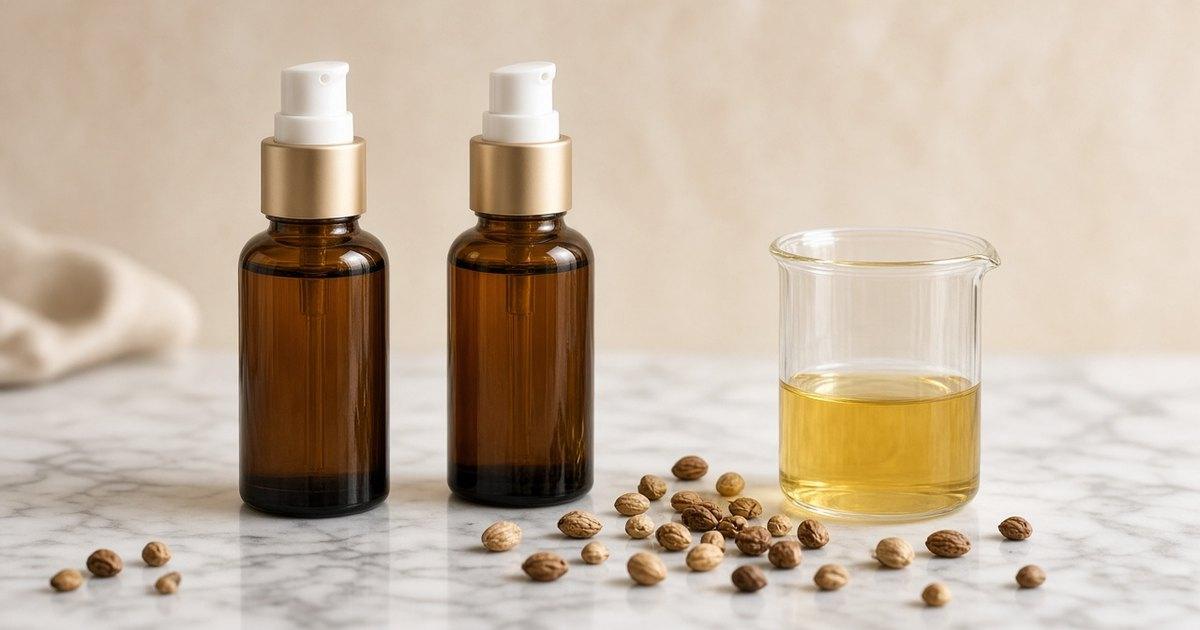
Bakuchiol is a meroterpene obtained from seeds. It is not a retinoid in structure, but it is widely positioned as a natural retinol alternative for smoother-looking skin, a more even-looking tone and better-looking elasticity and firmness. Our BLP Bakuchiol 99% Liquid is a light yellow to reddish-yellow viscous liquid with the INCI Bakuchiol. The supplier describes it as stable to light and water, which is why it works in day products as well as night care.
Retinal is part of the vitamin A family. In the chain that runs from beta carotene to retinol, then to retinaldehyde and then to retinoic acid, retinal sits one step before the last form, and that is why it is known as a more advanced vitamin A ingredient than retinol. BLP Nano Retinaldehyde Liposome carries retinal in a phospholipid nano system and is made for night serums and creams aimed at a smoother, brighter and fresher-looking skin surface.
Bakuchiol vs retinal: which client is it for
Think about who will use the product before you think about the active. Bakuchiol is the natural fit for a gentle, plant-forward story: a daily face oil, a day serum under sunscreen, a product for skin that looks sensitive or for buyers who simply do not want a vitamin A ingredient. The positioning is calm, steady improvement in how skin looks and feels.
Retinal suits a performance story. It speaks to experienced skin care users who already know retinoids, want a premium night step and accept that vitamin A products need a slower start and daily sun protection. For an esthetician, that means a take-home night serum for clients who are ready for it, while bakuchiol becomes the option for clients who need something softer or want a day product.
Many brands end up with both: a bakuchiol day serum or oil and a retinal night serum. That simple pairing gives a clear morning and evening routine and lets customers move between the two as their skin allows.
Formulating with bakuchiol
Base and process
Bakuchiol is oil soluble, so it belongs in anhydrous serums, facial oils and the oil phase of creams and lotions. Add it to the oil phase before emulsifying and avoid long heating of that phase above 75°C (167°F). The product card gives a typical use level of 0.5 to 1.0 percent of the finished product. It should not go into a purely water-based serum, because it will not disperse properly there. For a simple oil serum, many makers dilute it in a light carrier such as jojoba or argan oil.
Color and stability
Iron and copper ions can make bakuchiol formulas change color. The card notes that a small amount of a chelating agent such as disodium EDTA or sodium phytate helps, and that products with water should be kept slightly acidic as stated in the technical data. Use opaque, airless packaging and avoid long exposure to sunlight or heat during storage.
Formulating with retinal
Why the liposome matters
Free retinal is sensitive to light and air, and that is the main reason it is less common than retinol in finished products. An encapsulated form helps make it more practical. In our nano liposome, the INCI is Aqua, Phospholipids, PEG-20, Caprylic/Capric Glycerides, Retinal, and the supplier lists it as vegan suitable and palm free. The supplier page does not state a use rate or a processing method, so request the technical data sheet first and work in small test batches before you set a final recipe.
Base, partners and packaging
A retinal night serum works well in a soft, cushiony base that keeps skin comfortable. Humectants matter here, because skin that feels dry makes any vitamin A product feel harsher. A layered hydration system such as BLP Multi-Weight Hyaluronic Acid Complex, which combines seven molecular weights of hyaluronic acid, gives both quick and longer-lasting moisture and can go into the water phase at up to 75°C. Vitamin E is a common antioxidant partner. Fill retinal products in opaque airless pumps, and run your own stability tests on the finished formula before scaling up.
Can bakuchiol and retinal go in one formula
Some brands combine bakuchiol with a retinoid to tell a hybrid story. It is technically possible in an emulsion, where bakuchiol sits in the oil phase and the retinal liposome is added according to its data sheet. But a combined product makes the routine and the claims more complicated, and you lose the simple day and night split that customers understand. If you do combine them, keep the formula short, test stability and color carefully and run a dermatologist-supervised safety test on the finished product.
Routine advice and honest claims
Bakuchiol can be positioned for morning and evening use because of its light and water stability. Retinal products are best positioned for the evening, with a slow introduction a few nights a week and broad-spectrum sunscreen every morning. Saying this clearly on the box and in the treatment room builds trust and reduces returns.
Keep claims cosmetic and visible: skin looks smoother, fine lines look less visible, tone looks more even, the surface looks fresher and brighter, skin feels softer. Avoid words such as treats, cures, heals, prescription strength or repairs damage. Ask for INCI, CoA and TDS for every lot, stay within the supplier’s recommended range, and use standardized photos and a consumer perception study to support your final claims. More options for a full anti-aging line are in our active ingredients collection.
FAQ
Is bakuchiol or retinal better for sensitive-looking skin?
Bakuchiol is usually the first choice for products aimed at sensitive-looking skin and for clients who prefer a plant-derived, non-vitamin A ingredient. Retinal suits experienced users who want a performance night product and can introduce it slowly.
Can bakuchiol be used in the morning?
Yes. The supplier describes bakuchiol as stable to light and water, so it can be used in day serums and oils under sunscreen.
Is bakuchiol water soluble?
No. Bakuchiol is oil soluble, so use it in oils, anhydrous serums or the oil phase of an emulsion, not in a purely water-based serum.
How should a retinal serum be packaged?
Retinal is sensitive to light and air, so opaque airless pumps are the safest choice. Always test the stability of the finished formula before launch.